

How I Used Gardening as Eco-Therapy
Sticking my clean hands in the dirt?
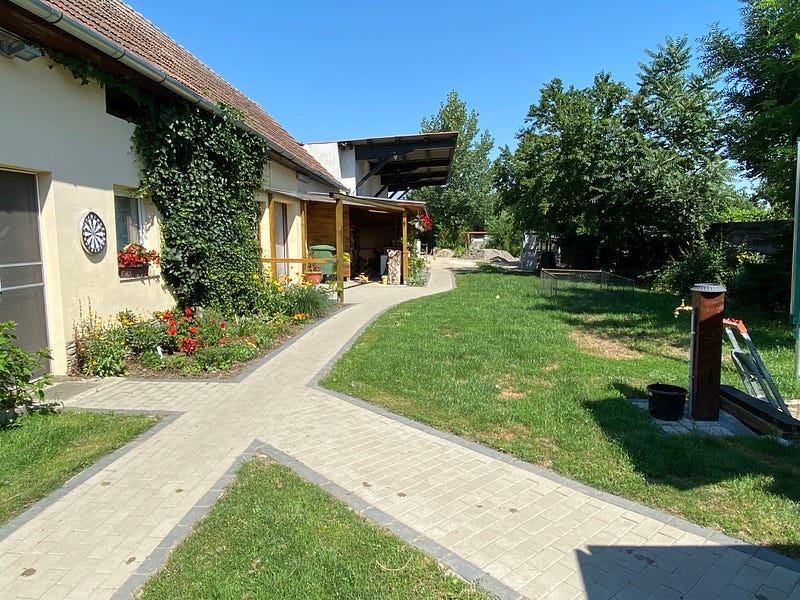
Sticking my clean hands in the dirt?
You’re kidding, right?
That’s very often the first reaction of our guests (I don’t like the term “client” and “patient” sounds even worse).
People come to our farm to find help with their fears, uncertainties, and severe anxieties.
Many people lose trust in the medical system and believe they can find answers by reconnecting with nature.
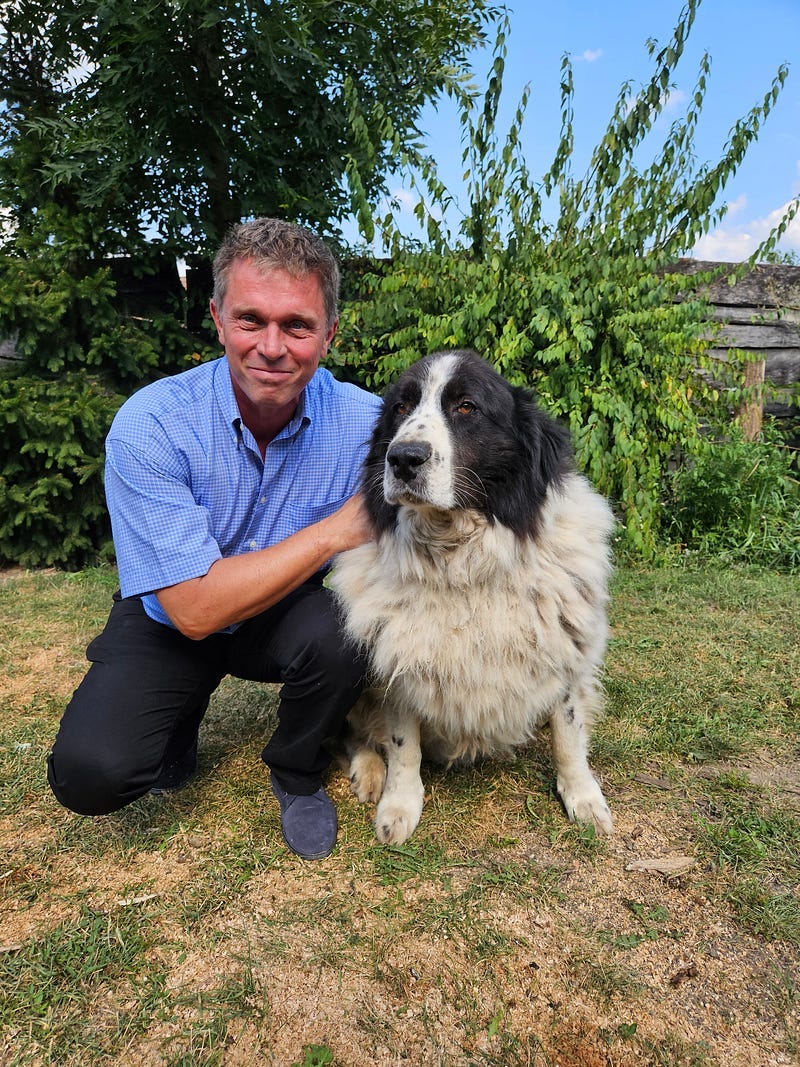
I am the owner and head coach of SanaTerraFarm. I discovered that ecotherapy helps our clients with anxiety and burnout.
At first, I entered this field to help people find relief and healing. What happened next was amazing.
Observing our clients’ journey through ecotherapy was an eye-opening experience. When we introduced them to gardening, we noticed a significant improvement in their well-being.
Watching them grow, not just plants, but their emotional strength, showed how ecotherapy heals.
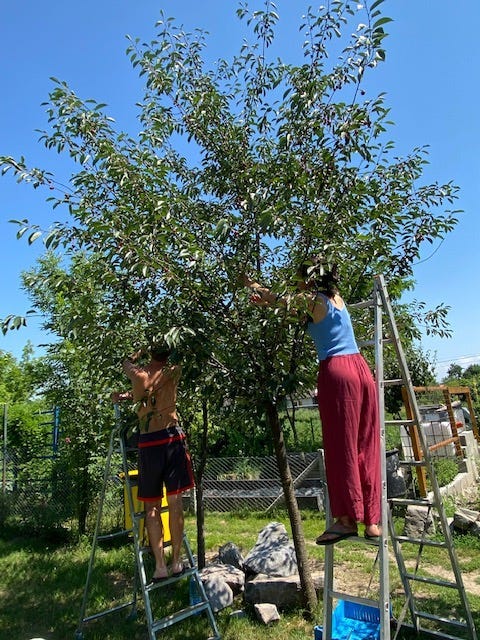
The transformation was profound. Clients found solace in connecting with nature, a respite from the chaos of daily life. By putting their hands in the soil, they felt grounded and connected to the earth and themselves. Over time, these people said they felt less anxious and depressed.
Key Insights emerged:
Gardening emerged as a potent form of ecotherapy, distinctly aiding mental health.
Engaging with the soil offered clients a grounding experience, fostering a deep connection with nature and self.
Gardening became a practical, effective tool in managing symptoms of anxiety and depression for our clients.
I learned about ecotherapy and how it helps people’s mental health by connecting with nature. This process was not merely about planting seeds but nurturing a space for growth, healing, and renewal. At SanaTerraFarm, the garden was a sanctuary for people with mental health challenges. They found solace, purpose, and a way to heal.
Understanding Ecotherapy
https://www.youtube.com/watch?v=UeV98nSrSZ4&embed=true
I learned about ecotherapy, a therapy that improves mental and physical health through nature. Ecotherapy has various forms, like working in nature, being in nature, and socializing in nature.
One of the reasons ecotherapy can be so effective is that it allows you to connect with nature in a way that is often missing from modern life.
By spending time in nature, you can reduce stress, improve your mood, and increase your sense of well-being.
Some ecotherapy sessions follow a set structure, while others can be more informal or vary depending on the individual’s needs. For example, ecotherapy programs may involve gardening, farming, grounding, breathing, or conservation projects.
Doing these activities can make you feel good about yourself and more confident.
Another aspect of ecotherapy is experiencing nature, such as enjoying the views on a walk or cycling through woodland. These activities can reduce stress, improve mood, and give a chance for physical exercise.
Being with others in nature, doing activities like cooking and eating together, helps us connect and feel less alone.
Overall, ecotherapy is a holistic approach to healing that recognizes the connection between humans and nature. By engaging with nature in a positive way, we can improve our mental and physical health and build a greater sense of well-being.
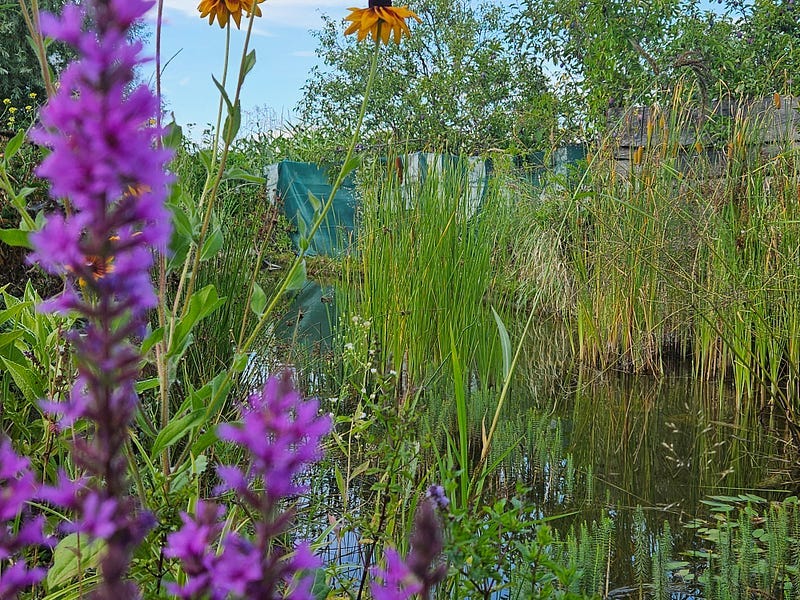
The Therapeutic Power of Gardening
Gardening has been a powerful tool for me in my journey towards healing. As I dug my hands into the soil and watched my plants grow, I found myself feeling more relaxed and grounded.
It’s amazing how something as simple as gardening can have such a profound impact on our mental and physical health.
Studies have found that gardening can help with anxiety, depression, and PTSD.
Planting, taking care of, and gathering plants can give you a feeling of purpose and achievement. This can make you feel good about yourself and more sure of yourself.
In addition to the psychological benefits, gardening can also have a positive impact on our physical health.
It’s a great way to get outside and get some exercise, which can help reduce the risk of chronic diseases like obesity, diabetes, and heart disease.
Plus, gardening can be a helpful way to get some fresh air and sunshine, which can improve our mood and overall sense of well-being.
For me, gardening has been a way to connect with nature and find peace in the midst of a busy and stressful world.
Whether I’m planting flowers, growing vegetables, or simply tending to my plants, I always feel a sense of calm and contentment when I’m in the garden.
It’s a reminder that even in the midst of chaos, there is beauty and growth all around us.
Overall, I believe that gardening is a powerful form of therapy that can benefit anyone, regardless of their age, gender, or background.
Whether you’re struggling with a mental health condition or simply looking for a way to connect with nature and find some peace, I encourage you to give gardening a try. You might be surprised at just how much it can help.
Grounding: The Healing Power of Earth
Gardening has been a powerful tool for me to connect with the earth and benefit from its healing powers. One of the most significant benefits that I have experienced is grounding. Grounding, also known as earthing, is the practice of connecting to the earth’s energy by walking barefoot on the ground, sitting or lying on the grass, or gardening with your hands in the soil.
When we ground ourselves, the earth’s energy enters our bodies.
This reduces inflammation, improves sleep, and boosts our immune system. Grounding has also been shown to reduce stress, anxiety, and depression, and improve overall well-being.
In my experience, gardening has been an excellent way to ground myself. When I am planting, pruning, or weeding, I feel a sense of connection to the earth and all living things.
I can feel the energy of the soil and plants flowing through me, and I feel more centered and calm.
If you are new to gardening, I recommend starting with a small plot or container garden.
Choose plants that you enjoy and that are easy to care for, such as herbs, tomatoes, or flowers. Spend time each day tending to your garden, and take breaks to sit or lie on the ground and connect with the earth.
You can also try walking barefoot on the grass or soil, or sitting outside and enjoying the beauty of nature. Whatever method you choose, make sure to focus on your breath and allow yourself to connect with the earth’s energy.
To sum up, grounding helps our well-being, and gardening is a great way to do it. By connecting with the earth and its energy, we can reduce stress, improve our immune system, and feel more centered and calm.
Reconnecting with Nature Through Gardening
Gardening has been a powerful tool in my journey of healing and reconnecting with nature.
Spending time in my garden has helped me to slow down, breathe deeply, and connect with the natural world around me.
Through gardening, I have been able to tap into the therapeutic benefits of being in nature.
Studies have shown that spending time in nature can reduce stress, anxiety, and depression, while also improving mood and overall well-being. I love gardening because it lets me enjoy the outdoors and relax.
In addition to the mental health benefits of gardening, it has also given me a sense of purpose and accomplishment. Watching my plants grow and thrive has been incredibly rewarding, and has given me a sense of pride in my ability to care for and nurture living things.
One of the things I love most about gardening is the opportunity to connect with the natural world on a deeper level.
By observing the cycles of growth and decay, I have gained a greater appreciation for the interconnectedness of all living things.
Gardening taught me to slow down and appreciate the rhythms of the natural world. It also helped me cultivate gratitude for nature’s beauty and abundance.
Overall, gardening has been a powerful tool in my journey of healing and self-discovery. Through reconnecting with nature, I have found a sense of peace and purpose that I never knew was possible.

Practical Tips for Healing Through Gardening
Gardening has healed me, so I want to share tips for using it as therapy.
Start Small
If you’re new to gardening, start small. Don’t try to take on a huge project right away. Start with a few small pots or a small raised bed. This will help you build confidence and avoid feeling overwhelmed.
Choose Plants That Speak to You
When choosing plants, choose ones that speak to you. Plants have different meanings and can evoke different emotions. For example, lavender is known for its calming properties, while sunflowers are associated with happiness and positivity.
Make Time for Gardening
Make time for gardening in your schedule. Even if it’s just a few minutes a day, spending time in the garden can be incredibly therapeutic. It’s a chance to connect with nature and take a break from the stresses of everyday life.
Embrace the Process
Remember that gardening is a process, not a destination. Don’t get too caught up in the end result. Embrace the process of planting, nurturing, and watching your plants grow. It’s a chance to slow down and appreciate the beauty of nature.
Connect with Others
Consider joining a gardening group or community garden. Gardening can be a great way to connect with others who share your interests. You can share tips, trade plants, and enjoy the company of like-minded individuals.
Get Creative
Don’t be afraid to get creative with your gardening. Try new things, experiment with different plants, and have fun with it. Gardening is a chance to express yourself and create something beautiful.
Overall, gardening has been a transformative experience for me. I hope these practical tips will help you on your own journey towards healing through gardening.
Conclusion
Gardening has truly been a transformative experience for me.
Through ecotherapy, I was able to heal myself and reconnect with nature in a way that I never thought possible.
The act of planting and nurturing my own garden has given me a sense of purpose and accomplishment that has positively impacted my mental health.
By spending time in nature, I was able to ground myself and find peace. The physical activity of gardening also provided a healthy outlet for stress and anxiety.
In addition, being able to witness the growth and development of my plants gave me a sense of joy and fulfillment.
Through gardening as therapy, I was able to rediscover the beauty of the natural world and appreciate the simple things in life.
It has taught me to slow down and be present in the moment, which has had a profound impact on my overall well-being.
In conclusion, ecotherapy and gardening have been invaluable tools in my journey towards healing and self-discovery.
I encourage anyone who is struggling with mental health issues to give it a try and see the transformative effects for themselves.
If you enjoyed this read, you’ll love my newsletter. Please join my +200 subscribers and get instant free access to my personal experiences, opinions, and practical tips to improve your life holistically.
go.sanaterrafarm.ro/AbundanceLetters
Yours,
Daniel