

How to Reconnect with Nature: Benefits and Strategies
Spending time in nature has been shown to have numerous physical and mental health benefits.
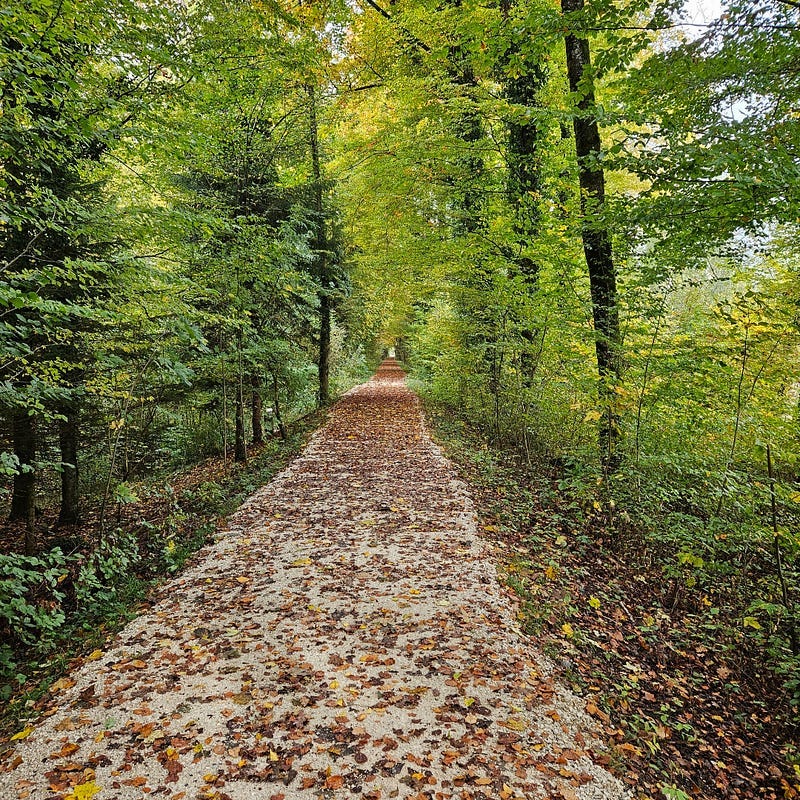
Spending time in nature has been shown to have numerous physical and mental health benefits.
However, in today’s fast-paced world, many people have become disconnected from nature. Fortunately, there are many ways to reconnect with nature and reap its benefits.
One way to reconnect with nature is to spend time in green spaces, such as parks or forests.
Research has shown that spending just 20 minutes in a park can improve well-being and reduce stress levels. Additionally, engaging in outdoor activities, such as hiking or gardening, can help individuals feel more connected to nature.
Another way to reconnect with nature is to practice mindfulness in nature.
This involves being fully present and aware of one’s surroundings while spending time in nature. Mindfulness can help individuals feel more connected to the natural world and reduce feelings of stress and anxiety.
Why Reconnect with Nature?
Spending time in nature has numerous benefits for mental and physical health. In today’s fast-paced world, people often forget to take a break and connect with nature.
Here are some compelling reasons why one should reconnect with nature:
Grounding
Grounding, also known as earthing, is the practice of connecting with the earth’s energy by walking barefoot on the ground or touching the earth with one’s hands.
Grounding has been shown to have numerous health benefits, including reducing inflammation, improving sleep, and reducing stress and anxiety.
Spending time in nature is an excellent way to ground oneself. Walking barefoot on the grass, sand, or soil can help one feel more connected to the earth and reap the benefits of grounding.
Breathing
Breathing is an essential bodily function that is often taken for granted. In today’s world, people tend to breathe shallowly and quickly, which can lead to stress and anxiety.
Spending time in nature can help one breathe more deeply and slowly.
The fresh air and the calming sounds of nature can help one relax and breathe deeply, which can reduce stress and anxiety.
Mental Health
Spending time in nature has been shown to have numerous benefits for mental health.
It can reduce symptoms of depression and anxiety, improve mood, and increase feelings of happiness and well-being.
Nature can also help one disconnect from technology and the stresses of modern life. It provides a peaceful and calming environment that can help one recharge and feel more centered.
Physical Health
Spending time in nature can also have numerous benefits for physical health.
It can improve cardiovascular health, lower blood pressure, and reduce the risk of chronic diseases such as diabetes and obesity.
Nature also provides an excellent opportunity for physical activity, such as hiking, biking, or swimming. These activities can help one stay active and healthy while enjoying the beauty of nature.
In summary, reconnecting with nature has numerous benefits for mental and physical health.
It provides an opportunity to ground oneself, breathe deeply, and disconnect from the stresses of modern life. Spending time in nature can improve mood, reduce stress and anxiety, and improve physical health.
Understanding the Concept of Grounding
Grounding, also known as earthing, is the practice of connecting with the Earth’s energy by allowing our skin to come into direct contact with the ground.
This technique is based on the belief that the Earth’s electrons can help balance the electrical charge in our bodies, promoting physical, emotional, and spiritual well-being.
Importance of Grounding
Grounding has been shown to have numerous health benefits, including reducing inflammation, improving sleep quality, and reducing stress and anxiety levels.
When we are grounded, our bodies absorb negatively charged electrons from the Earth, which can neutralize positively charged free radicals in our bodies and reduce inflammation.
Additionally, grounding can help improve sleep quality by regulating our circadian rhythms and reducing the production of the stress hormone cortisol.
Studies have also shown that grounding can reduce stress and anxiety levels, possibly by promoting the release of feel-good hormones like serotonin and oxytocin.

Practical Ways to Ground Yourself
There are several practical ways to ground yourself and connect with the Earth’s energy.
One of the easiest ways to ground yourself is to spend time outdoors walking barefoot on the grass, sand, or dirt.
If you live in an urban area or cannot go outside, you can also use indoor grounding systems like grounding mats, sheets, or wristbands that are connected to a grounding wire and plugged into a grounded outlet.
Other ways to ground yourself include swimming in natural bodies of water, gardening, or practicing yoga or tai chi outdoors.
It is important to note that grounding should not be done during electrical storms or in areas with electrical hazards.
In conclusion, grounding is a simple yet effective way to reconnect with nature and promote overall health and well-being.
By incorporating grounding techniques into your daily routine, you can reap the benefits of connecting with the Earth’s energy and promoting balance in your body.
Breathing and Its Connection with Nature
Breathing is a fundamental process that is essential for the survival of all living beings.
It is an automatic process that we do without thinking, but it is also something that we can control and use to our advantage.
In the context of reconnecting with nature, breathing plays a crucial role as it helps us to tune in with the natural environment around us.
Breathing Techniques
There are different breathing techniques that one can use to connect with nature.
One of the most popular techniques is deep breathing, which involves taking slow, deep breaths through the nose and exhaling through the mouth.
This technique helps to slow down the heart rate, reduce stress, and increase oxygen flow to the brain.
Another technique is rhythmic breathing, which involves breathing in a pattern that matches the rhythm of nature, such as the sound of the waves or the rustling of leaves.
This technique helps to synchronize the body with the environment and promotes a sense of calmness and relaxation.
Benefits of Natural Breathing
Breathing in natural environments has many benefits for both physical and mental health.
Studies have shown that spending time in nature and breathing in fresh air can help to reduce stress, anxiety, and depression, and improve overall well-being.
Natural breathing also helps to improve lung function and increase oxygen levels in the body, which can boost energy levels and improve cognitive function.
In addition, breathing in natural environments can also help to improve immune function, reduce inflammation, and promote better sleep.
This is because natural environments are rich in phytoncides, which are natural chemicals produced by plants that have anti-inflammatory and immune-boosting properties.
In conclusion, breathing is a powerful tool that can be used to connect with nature and promote overall health and well-being.
By practicing different breathing techniques and spending time in natural environments, one can reap the benefits of natural breathing and improve their physical and mental health.
Gardening as a Means to Reconnect
Gardening is a great way to reconnect with nature.
It allows individuals to engage with the natural world and develop a deeper appreciation for the environment.
In this section, we will explore how gardening can help individuals reconnect with nature, starting with the basics of starting a home garden and then diving into the benefits of gardening.

Starting Your Home Garden
Starting a home garden is a great way to reconnect with nature. It is a simple and accessible activity that can be done in a variety of settings, from small urban balconies to large suburban backyards.
Here are some tips to get started:
Choose a location: Find a spot in your home that gets plenty of sunlight and is easily accessible. If you live in an apartment, consider using containers or vertical gardening techniques.
Choose your plants: Select plants that are suited to your climate and the amount of sunlight your garden will receive. Consider starting with easy-to-grow herbs or vegetables.
Prepare the soil: Make sure your soil is healthy and nutrient-rich. Consider adding compost or other organic matter to improve the soil quality.
Water regularly: Make sure your plants receive enough water to thrive. Consider using a watering can or hose to water your plants regularly.
Benefits of Gardening
Gardening offers many benefits beyond simply reconnecting with nature. Here are some of the key benefits:
Stress relief: Gardening has been shown to reduce stress and promote relaxation. It provides a sense of accomplishment and satisfaction that can be very rewarding.
Physical activity: Gardening is a great form of physical activity that can help individuals stay active and healthy. It can also help improve flexibility and strength.
Improved mental health: Gardening has been shown to improve mental health and well-being. It can help reduce symptoms of depression and anxiety and promote feelings of happiness and relaxation.
Environmental benefits: Gardening can have a positive impact on the environment by promoting biodiversity, reducing pollution, and conserving natural resources.
Overall, gardening is a great way to reconnect with nature and reap a variety of benefits.
Whether you are a seasoned gardener or just starting out, there are many ways to get involved and start enjoying the benefits of gardening today.
Incorporating Nature into Daily Life
Reconnecting with nature doesn’t have to be a grand gesture. It can be as simple as incorporating nature into your daily routine. Here are some ways to bring nature into your life, both indoors and outdoors.
Outdoor Activities
Grounding: Take off your shoes and walk barefoot on the grass or sand. This practice, known as grounding or earthing, has been shown to reduce stress and inflammation in the body.
Breathing: Take a walk in nature and focus on your breath. Inhale deeply through your nose and exhale slowly through your mouth. This can help reduce stress and improve mental clarity.
Gardening: Start a garden or tend to your existing one. Gardening has been shown to reduce stress, improve mood, and increase physical activity.
Indoor Activities
Houseplants: Bring the outdoors inside with houseplants. Not only do they add a touch of green to your space, but they also purify the air and improve your mood.
Nature Sounds: Play nature sounds in the background while you work or relax. This can help reduce stress and improve focus.
Natural Materials: Incorporate natural materials into your home decor, such as wood, stone, and plants. This can create a calming and grounding atmosphere.
Incorporating nature into your daily life can have numerous benefits for your mental and physical health.
Whether it’s taking a walk in the park or tending to your houseplants, finding small ways to connect with nature can make a big difference.
Conclusion
In conclusion, reconnecting with nature can have numerous benefits for one’s physical and mental health.
Spending time in nature can help individuals ground themselves and connect with the earth, which can have a calming effect on the body.
Additionally, practicing deep breathing exercises while in nature can help individuals relax and reduce stress.
Gardening is another way to reconnect with nature. It not only allows individuals to be in nature but also gives them a sense of purpose and accomplishment as they tend to their plants.
It can also be a form of exercise and can provide individuals with fresh produce to eat.
Overall, there are many ways to reconnect with nature, and it is important to do so for one’s well-being.
Whether it is taking a walk in the park, practicing deep breathing exercises, or gardening, incorporating nature into one’s daily routine can have a positive impact on both physical and mental health.
PS: By subscribing to my newsletter you’ll get instant access to personal experiences and tailor-made advice. Join +200 subscribers here: