
The Reconnection Nobody Teaches High Performers
High performance taught us how to win. It forgot to teach us how to feel fed.
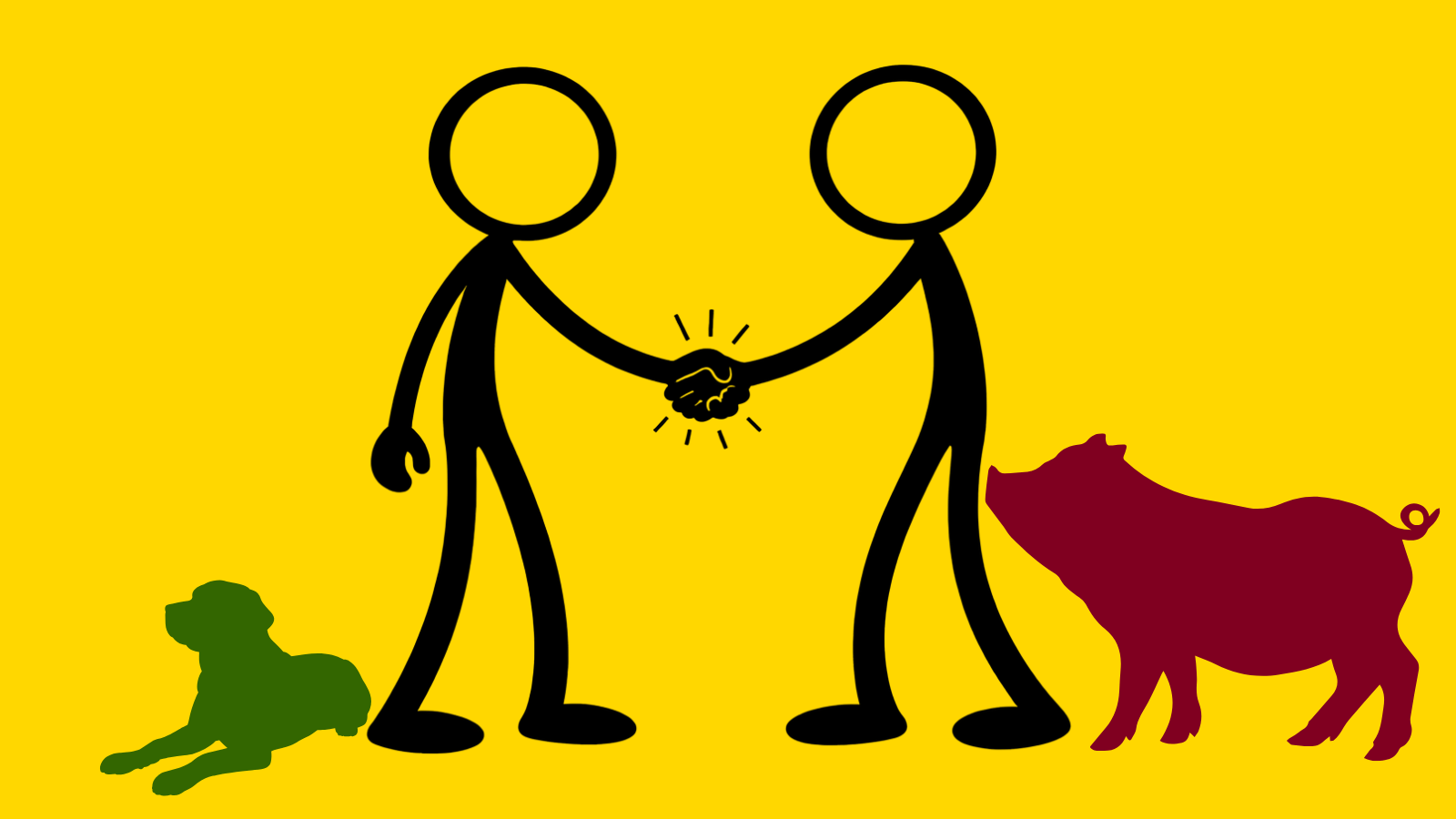
Shaan Puri has never set foot on a farm.
Yes, that Shaan Puri.
From the My First Million podcast. The guy who talks startups, leverage, revenue numbers that make normal people gasp for air.
Never. Set. Foot. On. A. Farm.
When I heard him say this, I nearly spilled my morning coffee. Not because he should have. But because he could live an entire life without ever touching the place where food begins, and still be considered wildly successful.
And suddenly, a quiet thought surfaced.
Maybe this is not about him at all.
Maybe it explains something many high performers feel but rarely say out loud.

When Winning Stops Feeling Nourishing
If you are good at what you do, life rewards you early.
You learn how to perform.
How to optimize.
How to deliver.
You learn how to win.
But somewhere along the way, something subtle happens. Meals become empty occasions. Nature becomes a backdrop. Work expands. Life shrinks.
You are not broken.
You are not ungrateful.
You are not lazy.
You might simply be… underfed.
Not in calories. In connection.
A Swiss Childhood With Mud on Its Shoes
I grew up in Switzerland. The postcard version is real. Mountains, cows, bells, clean trains.
The other version is real too.
Mud on boots. Goats that bite. Foxes stealing hens. Farmers who swear. School trips where we shoveled manure, churned cheese, and picked apples with sticky fingers.
At the time, I thought this was normal.
Only years later did I realize what it gave me.
A sense of origin.
A rhythm.
A nervous system that knew where food comes from.I did not learn this from books. I absorbed it through my hands.
What Farms Quietly Understand About Humans
Here is something farms know that high-performance culture often forgets.
Humans do not only need results.
They need rhythm.
They need feedback loops that make sense to the body.
Farms do not just grow food.
They grow orientation.
Seasons teach patience. Animals demand presence. Soil responds to care, not pressure. You cannot rush a tomato by staring at it harder. (Believe me, I’ve tried)
Strangely enough, this is exactly what many midlife professionals are missing.
Not ambition.
Not intelligence.
But something that grounds all of it.
Seven Ordinary Things That Do Extraordinary Things to Tired Brains
Over the years, we have watched something fascinating happen. People arrive on farms and family homesteads tired, wired, and skeptical. And they leave… different.
Here is how it happens.
1. Real places beat perfect places
A converted barn with creaky floors, good food, and honest warmth calms people faster than luxury ever could. Not because it is impressive. Because it feels safe.
2. Shared meals reset something ancient
Long tables. Simple food. No rush. Eating together does something no productivity hack can replicate.
3. Making food restores quiet confidence
Kneading bread, cutting vegetables, cooking without rush. People remember they can create something real, with their hands, from scratch.
4. Stories rebuild identity
Farms are full of stories. Births, losses, weather, small victories. Telling them reminds people who they are beyond their job titles.
5. Everyday skills feel like magic again
Composting, preserving food, raising chickens. Ordinary knowledge becomes deeply empowering when you have been living in abstraction for years.
6. Silence becomes productive
Poor cell reception is suddenly a gift. Thoughts slow down. Decisions clarify.
7. Fewer things, deeper relationships
When people buy food directly from someone they know, value shifts. Less volume. More meaning.
None of this is therapy.
And yet, something heals.
Why Money Follows Reconnection
At some point, someone always asks the practical question.
“Yes, but does this actually work financially?”
It does. But not the way spreadsheets predict.
When people feel nourished, they trust.
When they trust, they return.
When they return, money follows quietly.
Not through scaling harder.
Through serving more deeply.
The Bed in the Cornfield
A friend in Switzerland placed a comfortable bed in the middle of his cornfield. Torches. Silence. Stars. No distractions.
Couples pay generously for one night.
Not because it is extravagant.
But because it is unforgettable.
People are not craving more options.
They are craving unique moments that remind them they are alive. And share something.

This Was Never About Farming
Let me be clear.
This is not a call to buy land.
Or raise goats.
Or leave your career.
This is about remembering something older than performance.
That clarity comes from contact.
That nourishment is not a metaphor.
That reconnection often looks embarrassingly simple.
Sometimes, the most radical change is noticing where you stand.
A Quiet Invitation
If something in this article slowed you down, pay attention.
That pause is not accidental.
If you want to understand where you are oriented right now, there is a simple place to start. Not with action. With awareness.
I created a short Orientation Audit for exactly this moment. It helps you see what is feeding you, and what is quietly draining you.
No fixing. No pushing. Just clarity.
Yours,
Daniel
Slightly muddy. Still learning.