
What My Cat Benny Knows About Living Well (That Most Humans Have Completely Forgotten)
A field guide to the FARMISH Blueprint™ - explained by an 11 pound expert in regenerative living
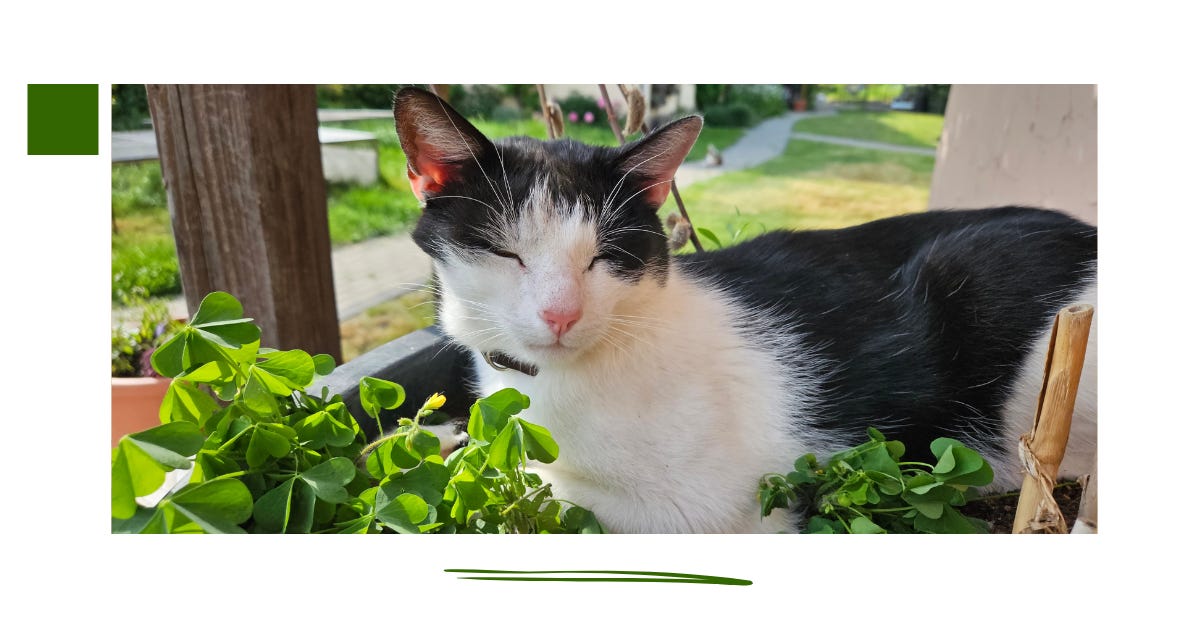
Benny doesn’t have a morning routine.
No cold plunge. No journaling. No green smoothie. No five-year plan.
He wakes up, stretches in a way that would cost you 80 dollars per session with a yoga instructor. Then, sniffs the air once, decides exactly what he needs next.
Sometimes that’s food. Sometimes it’s a patch of sunlight on the flagstones. Sometimes it’s a two-hour nap, even though he just had an eight-hour nap.
Nobody calls him lazy. Well, yes I do...
Nobody tells him he’s falling behind.
He’s a cat. He lives inside his DNA. He is, effortlessly, one of the most regenerative beings on our homestead.
I’ve been watching him for years. Somewhere between my heart attack that changed my life and the 65 lbs I lost, I realized something uncomfortable. Our Benny is better at this than most people I know, including, for a long time, me.
This article is about what he taught me. And how it turned into something I now call the FARMISH Blueprint™ - a framework for getting back to how you’re actually built.
A quick word before we get to the cat
I want to explain why I use the word “blueprint” here and not method or system or framework.
Blueprints are original. They’re yours. They don’t come from a course or a podcast or a bestseller list. They come from biology.
From millions of years of evolution that figured out what actually works. When you follow a blueprint, you’re not following someone else’s idea of what you should be. You’re following the instructions within you. You just paused between the third job and the second burnout.
The FARMISH Blueprint is my attempt to map that.
Seven pillars. Seven domains of life that either regenerate you or deplete you.
And each of them - this is the part Benny helped me see - cats already live by default.
Let’s go pillar by pillar.
F — Freedom
Benny does not ask permission to go outside.
This is not because he’s rude. No cat has ever truly accepted that someone else should decide when it can move.
He tolerates the house. Us.
He appreciates the food situation. But his route? His timing? His decision.
F is the first letter of this blueprint. That’s not an accident.
Ask a prisoner what he misses most. Not the food. Not the television. Not the comfortable bed. What destroys people in captivity, even in comfort, is the lack of freedom.
We are built for it at a cellular level. Yet, many of us in our forties or fifties look at our calendars and see that little on it is truly ours.
Our schedules form from obligations, others’ expectations, and agreements made out of fear of saying no. We move through our days like indoor cats who forgot there was a door.
Albert Camus, who had a clearer understanding of this than almost anyone, expressed it this way.
“The only way to deal with an unfree world is to become so absolutely free that your very existence is an act of rebellion.”
That quote has lived in my head for decades.
It’s not a call to burn things down. It’s a call to stop complying in silence with things you never actually agreed to. To live so authentically inside your own values that the system around you doesn’t quite know what to do with you.
Benny has been doing this his whole life. He doesn’t rebel loudly.
He lives on his own terms, completely. And anyone who has a problem with that is welcome to discuss it with him directly. Good luck...
Freedom, in the FARMISH sense, isn’t about quitting everything. Or moving to the famous mountain cabin.
It’s about sovereignty. Who’s actually driving your decisions? You, or the accumulated pressure of everything around you?
The first question I ask people when we start working together is usually some version of: Where in your life are you going along with something you never actually agreed to?
The silence that follows that question is usually pretty loud...
A — Authenticity
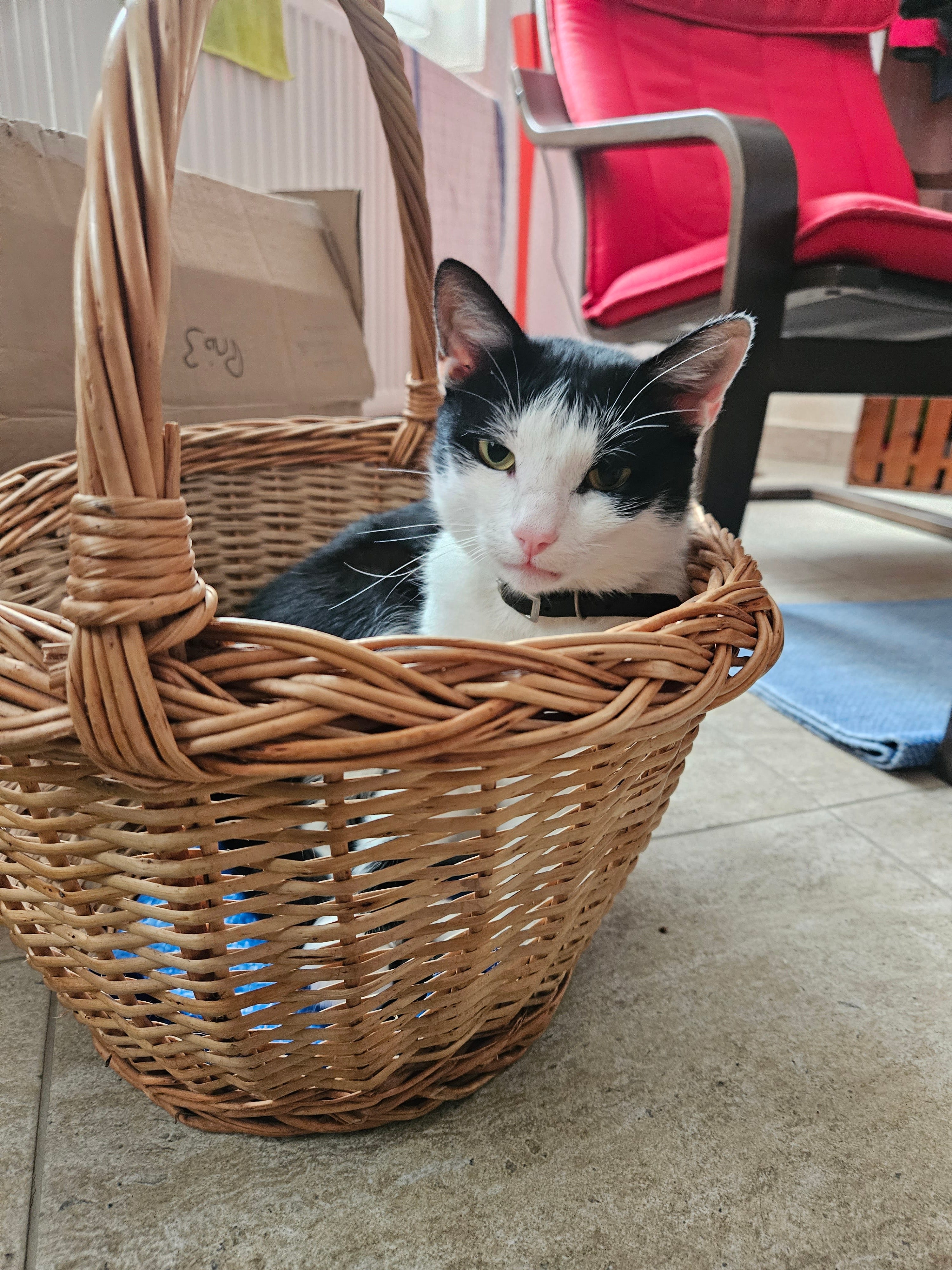
Here’s what Benny will never do: pretend to like someone he doesn’t like.
We have visitors at SanaTerraFarm. Some of them, Benny acknowledges with a slow blink and a casual approach. Others walk in the door and he’s gone.
Disappeared into the barn and not seen again until the car drives away. No explanation. No polite performance. No “I should probably go say hello.”
He knows who he is. He shows up as that. Period.
Authenticity is the pillar where I see the most exhaustion in midlife people. Not because they’ve become fake, they haven’t.
They’ve acted like a version of themselves for so long that they can’t tell where the act ends and the real person begins.
You can spot it in conversations. People start sentences with “I probably shouldn’t say this, but...”
And then finally say something honest, something real, and their whole body relaxes for a moment. That person was in there the whole time. Just buried under a few decades of editing themselves to fit.
Benny never buried himself. That’s either enviable or infuriating, depending on what kind of day you’re having.
R — Relationships
Benny’s best friend on this farm is Arthos.
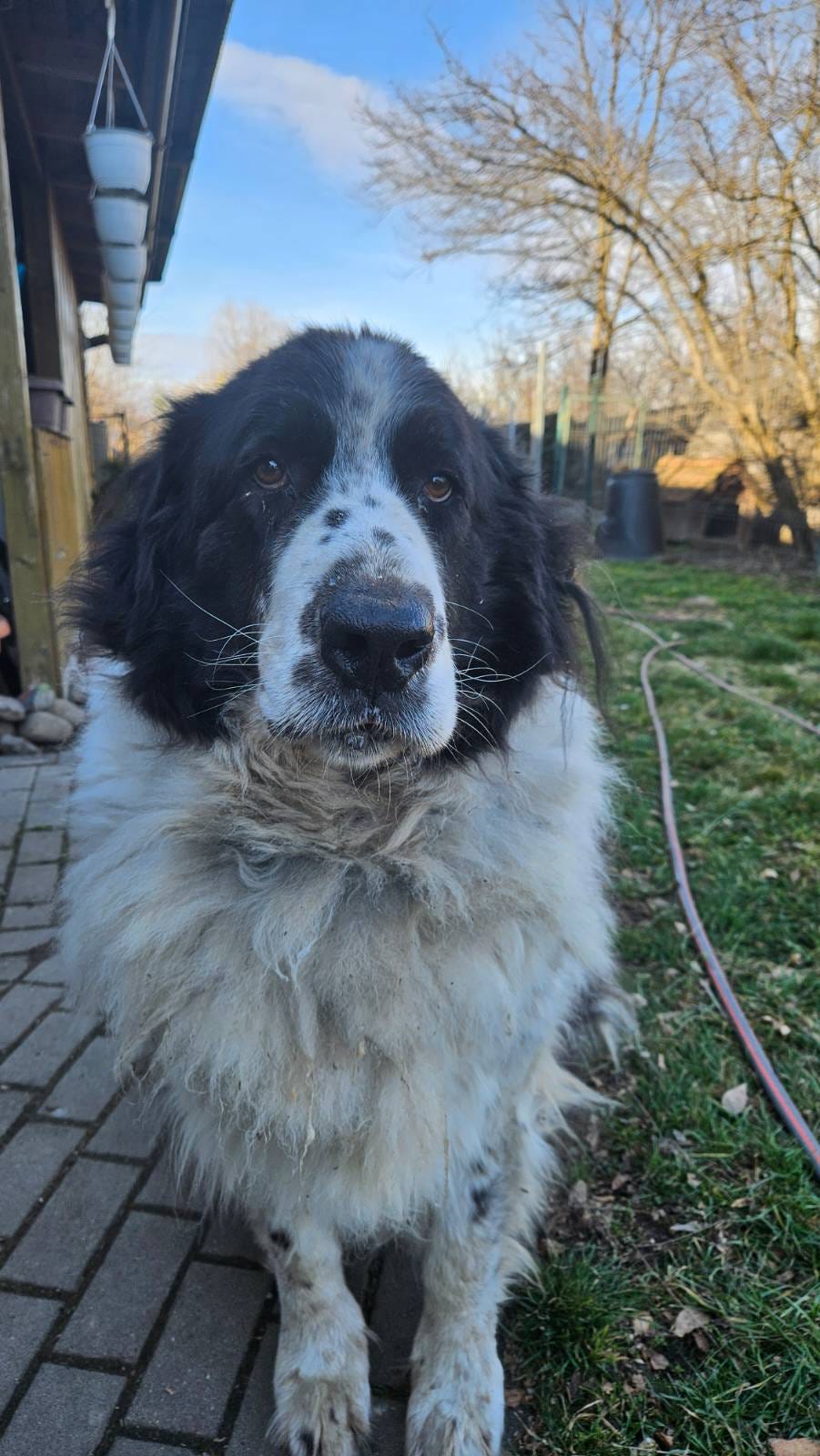
Arthos is a Bucovinean sheepdog. He weighs 60 kilos. He could, if he wanted to, end the friendship in about three seconds.
He doesn’t want to. And Benny, for his part, has never shown the slightest concern about the size difference.
They don’t cuddle. They don’t play. But there is something between them. A mutual recognition, a kind of silent respect. Neither of them needed to negotiate or explain. It just is.
Two completely different creatures who share a territory and have figured out the terms.
Recently, Arthos lost his closest companion. A much smaller dog, a female, who had been by his side for years. She died of old age. Arthos went quiet, like a big animal does when something inside it has truly broken.
He barely eats. He lies in her spot. He moves through the garden like a dog who is still looking for something he knows he won’t find.
I watch him and I think about all the people I know who are carrying exactly that weight. Not the dramatic grief - the quiet kind.
Like a marriage that ended. A friendship that dissolved without a proper goodbye. A chapter of life that closed before they were ready.
And nobody around them quite knows what to say. So, they say nothing, and the person carries it alone.
The FARMISH pillar of Relationships is about the energy math.
Who fills you? Who drains you?
But it’s also about what happens when you lose someone who mattered. It is about whether you let yourself actually feel that or whether you just go back to being busy.
Arthos didn’t choose busy. He’s grieving in the way animals do. With passion, without apology, without anyone telling him to move on.
There’s something worth learning in that. I certainly try.
M — Money
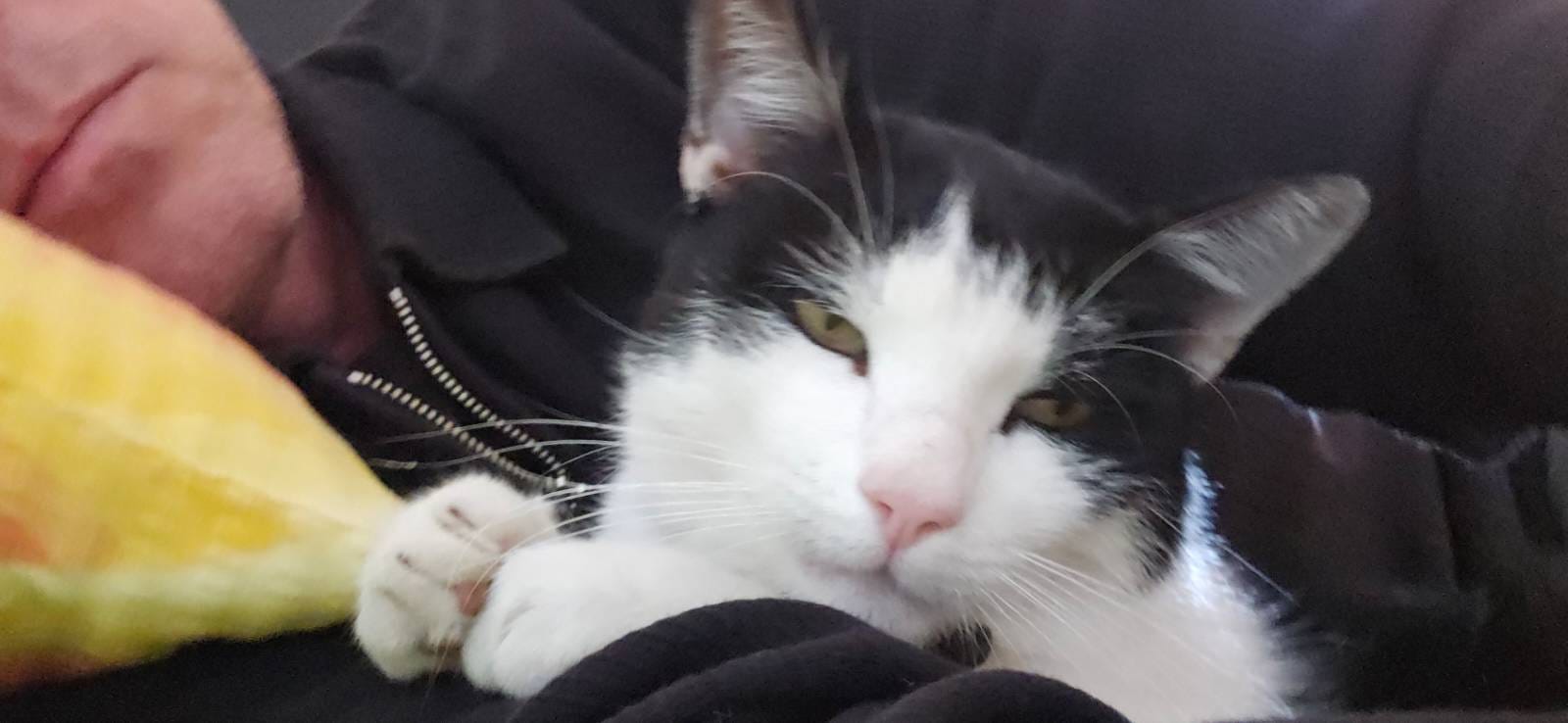
Benny has a very uncomplicated relationship with resources.
He eats when he’s hungry. He stops when he’s not.
He has never, to my knowledge, stress-eaten half a bag of chips at midnight because the day felt like too much. He takes what he needs. He leaves the rest. Pretty straightforward.
No cat has ever chased money for the sake of having more of it. No cat has ever delayed sleep to answer one more email in case it led to a bigger opportunity.
Money is where I see the biggest knots in people. They chase income goals that no longer make sense.
They chase or launch offers out of panic, not purpose.
They confuse financial pressure with productivity.
They measure their worth by metrics they didn’t even choose.
The FARMISH question around money is simple but uncomfortable: Is what I’m building growing my freedom - or just my anxiety?
Because those two things can look identical from the outside. And only you know which one you’re actually doing.
I — Innovation
Here’s a thing that most people don’t talk about. We are built to create. Not as a nice-to-have. Not as a hobby for the weekend.
As a biological necessity. Humans who stop creating, whether it’s making, solving, building, or expressing - don’t feel bored. They start to disappear.
Spend an afternoon in a care home where people have nothing to do with their hands. Nothing to figure out, nothing to contribute. That’s not aging. That’s a slow withdrawal from the one thing that makes humans feel alive.
Creating is how we take part in the world. It’s how we say: I was here. I made something. It mattered.
Benny creates, too, in his way. Every morning he takes the same walk around the perimeter of the property. Same route. Same stops. Same checkpoints.
And then, occasionally, something is different. A new smell. A moved stone. Something that wasn’t there yesterday. He stops. He investigates properly. He makes a decision about whether it matters.
He then either integrates it into his understanding of this place or ignores it.
That’s innovation done right. Not chasing every new thing that shows up. Not pivoting because the thing two gardens over seems to be working better.
It means staying rooted in what you know and updating only when reality offers you something worth changing for.
The internet has made this hard.
We are surrounded by constant invitations to change. New platforms, new formats, new frameworks, new gurus with new answers.
People spend enormous energy pivoting, testing, switching, starting over. Exhausted from constant motion, yes! But without the satisfaction that actual creation gives.
Creating something, whether with your hands, with your mind, with your voice?
That’s not optional. It’s how you stay alive inside your own life.
S — Sustainability
Imagine if Benny acted like the successful people I know.
Up at 5:30am regardless of whether he slept well. Skipping the midday rest because there’s too much to do. Saying yes to every demand because maybe this is the one that finally gets him ahead.
Burning through his energy until Thursday, he collapses over the weekend. Then he starts Monday again, believing this week will be different.
He would be, within three weeks, a deeply unwell cat.
But nobody does that to cats.
We accept that animals need rest. We accept that they have rhythms. We accept that a cat who never stops isn’t a productive cat. It’s just a stressed one.
Sustainability means building your life around your actual energy cycles. Not ignoring them until they break.
It means rest is not a reward you earn after enough output. It’s a structural need of any system that intends to keep functioning. For longer than a cup of tea...
Benny sleeps 16 hours a day and is in peak condition. I’m not saying everyone needs 16 hours. But somewhere between 16 and “I’ll rest when I’m dead” is your ideal number.
Most people I talk to aren’t anywhere near it.
H — Health
This comes last on the list. But for you to know: together with Freedom, Health is the foundation that holds everything else up.
F and H are the two bookends of a human life.
Get those wrong, and the middle letters—relationships, money, and creativity—won’t hold as they should.
You can fix a bad relationship.
You can rebuild your finances.
You can find your voice again after years of silence.
But you cannot do any of that from a body that has been ignored until it breaks.
Or from a life where you never had real freedom to begin with.
I know this from personal experience. The heart attack was a fairly dramatic way to learn it.
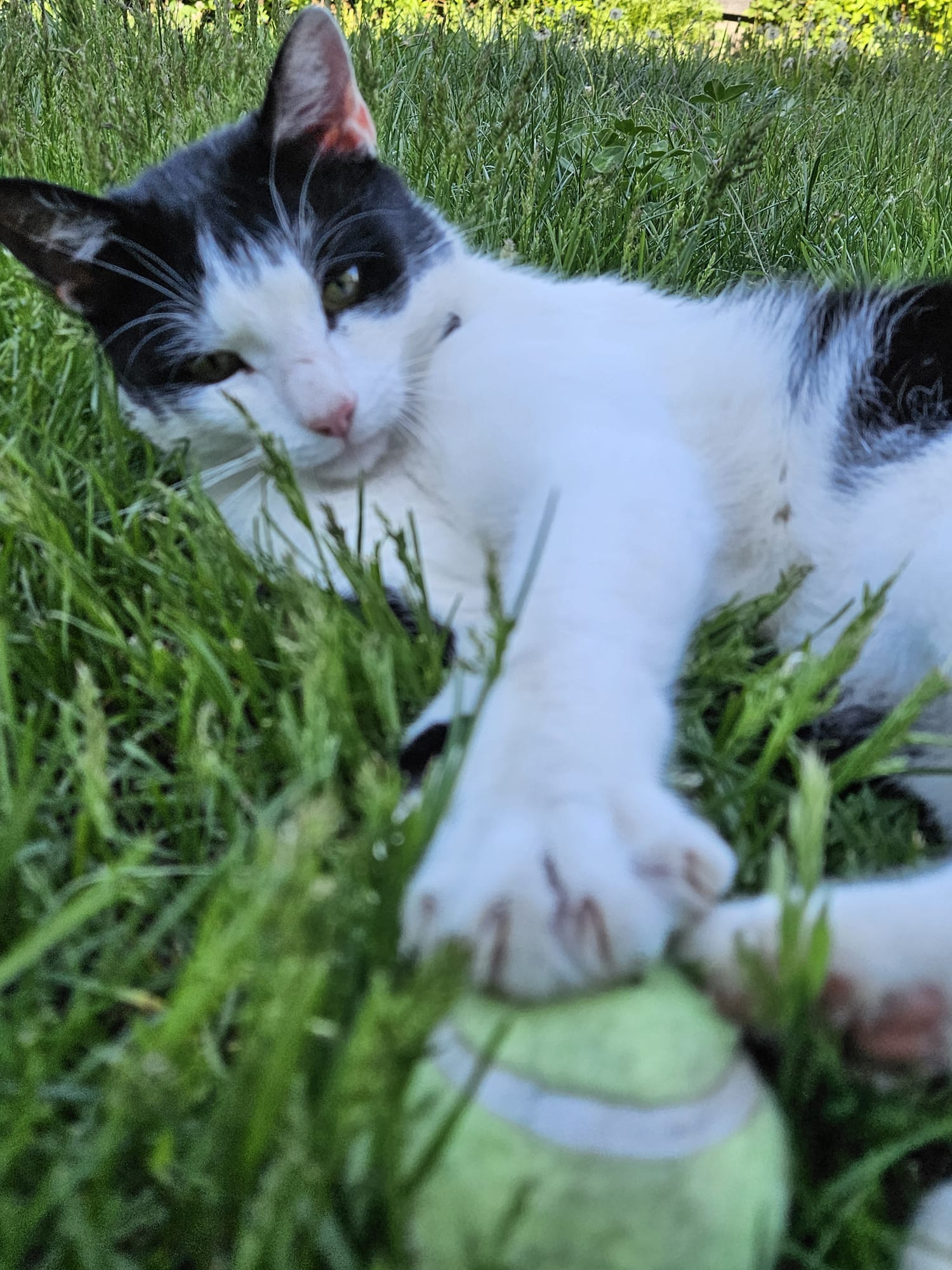
Now watch what Benny does when he’s not feeling right.
He doesn’t book an appointment. He doesn’t consult anyone. He doesn’t Google his symptoms at 2am and terrify himself.
He disappears. He finds a quiet corner, somewhere safe and dark, and he fasts. He stops eating and he rests until whatever is wrong has passed.
This is what animals do.
Not because they can’t do anything else. Because this is what works.
When a wild animal is sick or injured, its instinct is to hide and stop eating. It hides to avoid looking vulnerable to predators. The body, freed from the enormous task of digestion, redirects everything toward repair.
We have largely forgotten this. Time to relearn.
I have fasted many times in my life. Not just for weight loss.
The longest was 21 days. And I want to say something about that experience that might surprise you. It was one of the most clarifying, freeing things I have ever done.
I don’t want to downplay it. It’s not easy. But clarifying.
By day five or six, the constant background noise of hunger and food? And planning what to eat next just turns into peace.
In that relieving silence, things became very clear. What mattered. What didn’t. What I had been using food to avoid feeling.
The body knows how to heal. It has been doing it for millions of years.
What it needs, mostly, is for you to get out of the way and let it.
You should not manage your body as a problem. It’s where you live. And the signal it has been sending you is simpler than you think.
You have simply been too busy to hear it.
So what do you do with this?
Here’s what Benny does not do: he does not worry about all seven pillars at once.
He doesn’t lie awake thinking “my relationship pillar is fine but my sustainability pillar is probably underdeveloped. And I should really address my money beliefs before the quarter ends.”
He lives. And when something is off, he notices. And he adjusts.
The FARMISH Blueprint isn’t a self-improvement project. It’s a diagnostic lens.
When life feels off - not just one thing, but a general sense of wrongness - you should check the seven and ask: which root is being starved?
Usually it’s obvious, once you actually look. It’s been obvious for a while.
The gap isn’t knowledge. It’s permission.
The permission to take what you’re feeling seriously and act like it actually matters.
Benny has never had that problem. He has never once needed permission to tend to what he actually needs.
That might be the thing I envy most about him.
Which of the seven landed for you? Just reply with the letter. One letter is enough. I read everything.
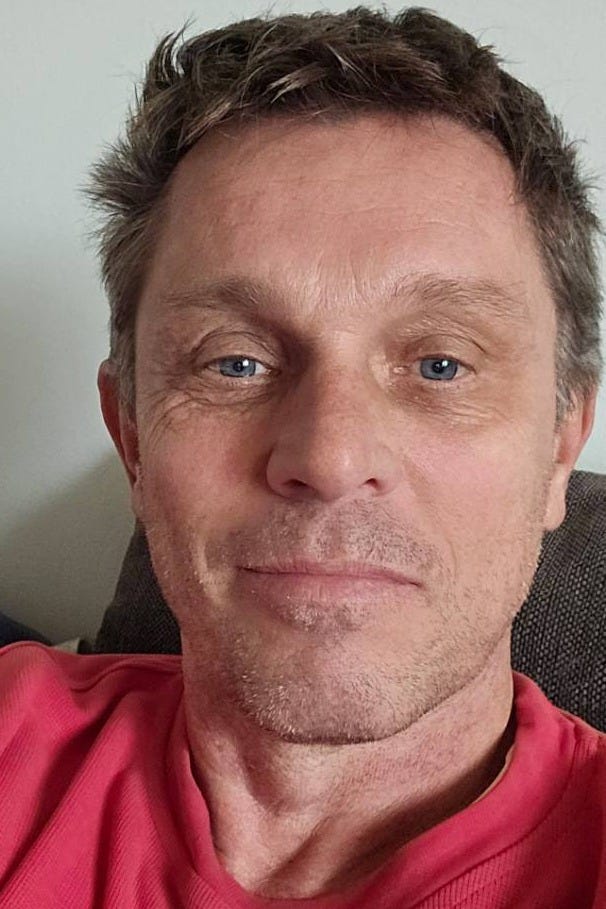
Daniel lives and works on a small homestead in Transylvania with his wife, three dogs, one cat, and an ongoing conviction.
Nature already figured out most of what we’re still arguing about.
His work helps midlife people find their way back to how they’re actually built. Long before things become a real crisis.
Cats are truly in touch with their intuition and act only on that.
Probably I, innovation. Love this rule for day-to-day living: stay rooted in what you know and update when reality offers you something worth changing for.