
🌱Why Exhausted Midlifers Lose Touch With Their True Self
(And How to Find It Again)

I was sitting alone in a small café. Halfway across the world.
For the first time in years, nobody knew me.
No one expected anything. No history. No role to play. No version of me to maintain. I did not have to explain why I had chosen the life I had, or why I no longer wanted the things I had once chased.
I was simply there.
And the feeling surprised me.
Not excitement. Not happiness.
Relief.
The kind you feel when you finally come up for air after holding your breath for too long.
If you are somewhere in midlife, there is a good chance you know this feeling. Maybe not from a café on the other side of the world, but from small moments. A walk alone. A quiet morning. A rare hour with no demands.
Moments where you realize how tired you actually are.
Not tired from work alone.
Tired from being someone all the time.

The World Got Loud. You Didn’t Get Weak.
We like to tell ourselves that exhaustion is a personal failure. That if we were more disciplined, more motivated, more resilient, we would be fine.
But the truth is simpler.
The world has become unbearably loud.
Opinions, expectations, advice, urgency, comparison. From the moment we wake up until we fall asleep, something wants our attention. Something wants us to react. Improve, optimize, decide.
And slowly, quietly, we lose contact with the one voice that actually matters.
Our own.
This does not happen overnight. It happens in small, reasonable steps. Parents encourage “safe” choices. Teachers praise certain traits and ignore others. Society rewards productivity, compliance, and performance.
You learn what works.
You adapt.
You succeed.
And one day, usually somewhere in your forties or fifties, you wake up with a strange question hovering in the background:
How did I end up here?
Not unhappy.
But strangely empty.
Now is a good time to grab a coffee. Mine is a fresh cup of steamy Italian Espresso. I’ll wait.
Ok - cool - you’re back!
How You Slowly Learn to Abandon Yourself
Losing touch with yourself rarely feels dramatic. There is no big betrayal. No single wrong turn.
It usually starts with something reasonable.
You choose responsibility over curiosity. Stability over uncertainty. You say yes when you mean maybe. You stay quiet when speaking up feels inconvenient. You postpone things you love because “now is not the right time.”
And for a long while, this works.
Until it doesn’t anymore…
You build a life that looks solid from the outside. Career. Family. Reputation. Reliability. You become the person others can count on.
But every adjustment has a cost.
Each time you override a quiet inner signal, you teach yourself a lesson:
What I feel is less important than what is expected.
Over time, that lesson hardens into habit.
The noise grows louder. The inner voice grows faint. And then comes something many midlifers know all too well.
Guilt.
Guilt for wanting something different.
Guilt for feeling tired despite “having everything.”
Guilt for questioning a life you worked hard to build.
What rarely gets said is why this guilt feels so heavy.
At midlife, guilt is no longer about disappointing others.
It is about the fear of destabilizing everything you’ve built.
There is a quiet calculation running in the background:
If I stop performing, what breaks?
If I listen to myself, what do I risk?
If I change direction, who pays the price?
So you don’t rebel. You endure.
Not because you lack courage, but because you are responsible. Capable. Aware that others depend on you.
This is not weakness. It is moral exhaustion.
And it cannot be solved with rest alone.
I for sure couldn’t..-
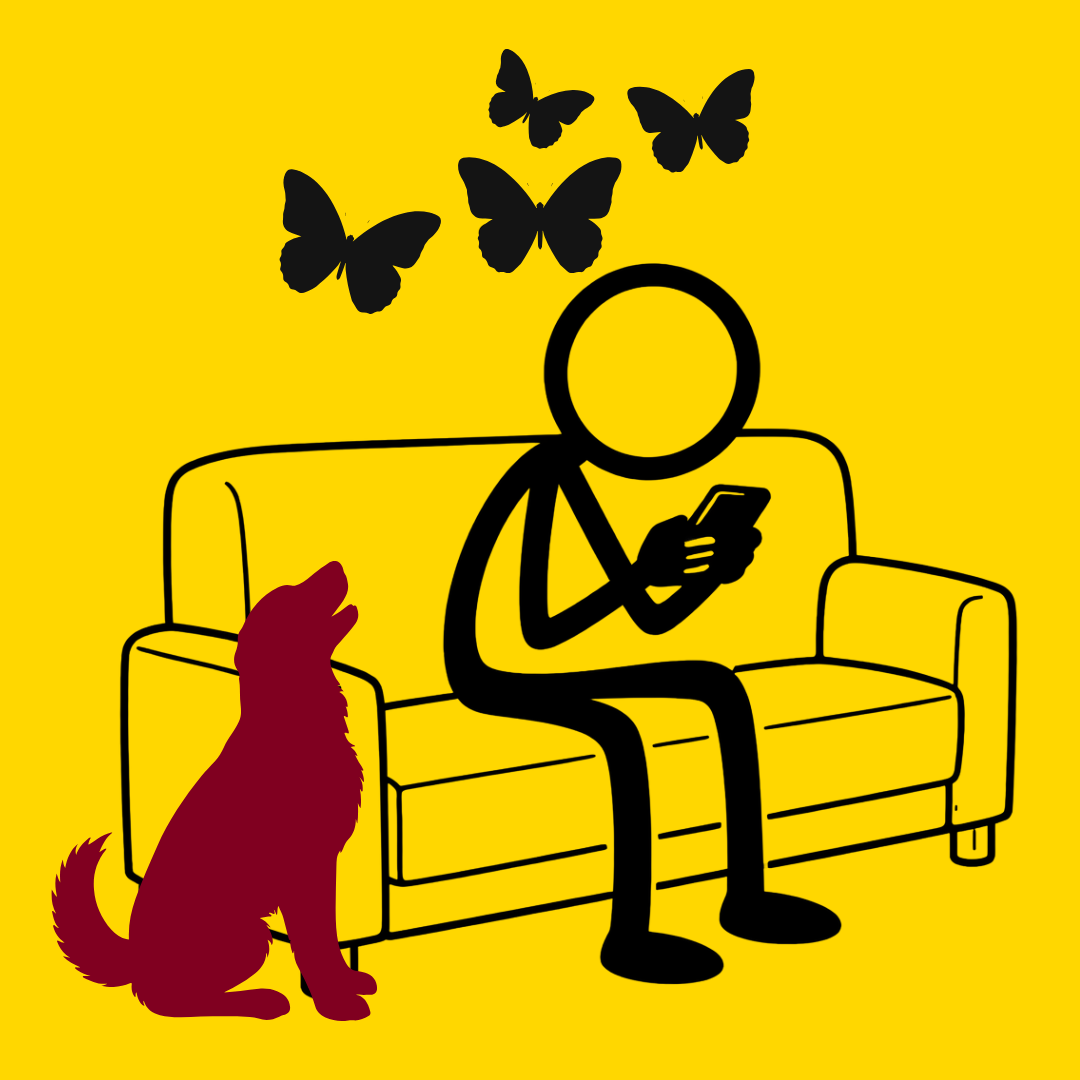
Exhaustion Is Often an Identity Problem
This is the part most conversations about burnout miss.
Exhaustion is not always about workload.
Sometimes it is about distance.
Distance from your values.
Distance from your curiosity.
Distance from the parts of you that once felt alive.
Here is a distinction that matters.
You can be tired and still aligned.
And you can be well-rested and deeply misaligned.
Sounds confusing, I know. But from my experience, I can tell you…
Aligned tiredness recovers.
Misaligned tiredness accumulates.
Many midlifers are not exhausted because they do too much.
They are exhausted because too much of what they do no longer reflects who they are.
That kind of exhaustion does not respond to efficiency. At all.
It responds to honesty.
Your body knows this long before your mind does.
Tension that never fully releases.
Sleep that no longer restores.
A low-level irritation that follows you through the day.
This is not weakness. It is feedback.
Your system is telling you that something essential is being ignored.
And the longer you ignore it, the louder the signal becomes.
If wrote in this article about it too:

What Happens When You Keep Ignoring Yourself
There is a quiet progression I have seen again and again.
First, emotional fatigue. You feel flat. Irritable. Disconnected from joy and enthusiasm. Even good moments feel muted.
Then physical symptoms.
Headaches.
Digestive issues.
Persistent tiredness.
The body starts carrying what the mind refuses to look at.
And eventually, relational strain.
When you live behind a mask, people relate to the mask. Not to you. Conversations become polite, functional, shallow.
You can be surrounded by people and still feel alone.
The most painful part is this:
You may start believing that this is just how life is now.
That midlife is supposed to feel smaller. Narrower. Heavier.
It is not.
The Question That Changes the Direction
For a long time, I thought this tension was normal.
I played my roles well. The reliable one. The reasonable one. The achiever. On paper, everything made sense. But inside, it felt like starring in a low-budget movie that kept running long after the story had ended.
What finally shifted things was not a big decision.
It was a question.
I had moved to a different country by then. Far enough away from family, old expectations, and familiar routines to notice what had been missing. One evening, sitting alone in a quiet café with a notebook, I asked myself something embarrassingly simple:
What do I actually want?
Not what should I want.
Not what would look good.
Not what would keep everyone comfortable.What do I want?

At first, my mind offered the usual answers. Stability. A respectable career. A house with a garden. Maybe a dog. No! For sure, a dog. Sensible things. Approved things.
But none of them made my chest feel lighter.
So I stayed with the question.
And slowly, underneath the noise, something else emerged. A love of writing. A desire for a slower rhythm. A craving for real connection, not constant performance.
It felt less like discovering something new and more like remembering something old.
You Don’t Find Yourself. You Remove the Noise.
Finding your true self is not about reinvention.
It is about subtraction.
It is about removing what does not belong.
The expectations you never chose.
The roles you outgrew.
The stories that once protected you but now exhaust you.
When the noise quiets, clarity does not need to be forced.
It shows up on its own.
Not as a detailed plan, but as a direction. A felt sense of “this is closer” or “this is further away.”
Enough to take the next honest step.
The Role of Solitude (And Why It Feels Hard at First)
One of the most overlooked tools in midlife is solitude.
Not isolation.
Not withdrawal.
But intentional time alone without input.
When you are alone, you are temporarily free from the influence of others. No feedback. No expectations. No need to explain yourself.
This is where your internal signals become audible again.
Start small.
An hour without your phone.
A walk without podcasts.
A notebook instead of a screen.
Let your thoughts wander. Write what comes up. Not to solve anything. Just to notice.
Silence does not always feel peaceful at first.
Often, it amplifies the very questions you have been avoiding.
That initial anxiety is not regression.
It is orientation returning.
You are not becoming lost.
You are becoming aware of how long you’ve been navigating by external signals alone.
Stay there a little longer than feels comfortable.
Clarity rarely arrives as an answer.
It arrives as a sense of direction.
What Comes Back When You Live More Honestly?
When people begin to realign with themselves, a few things tend to happen.
Decisions become simpler. Not easier, but clearer.
Confidence grows quietly, without bravado.
Relationships change. Some deepen. Some fall away.
Energy returns, not as excitement, but as steadiness.
There is a calm that comes from knowing your life belongs to you again.
Not perfect.
Not problem-free.
But grounded.
🔓 If this article resonated but stopped a little early for you - that’s intentional.
The section behind the paywall is not “more content.”
It’s where reflection turns into orientation.
Paid readers get free access to The Regenerative Orientation Audit (value: 195 EUR). It’s a written consultation audit designed for exhausted midlifers who feel something needs to change, but don’t want another system, plan, or performance metric.
If you’re ready to explore what’s shifting beneath the surface, you’re warmly invited to continue.
