

You’ve Done Everything Right – Now What?
We reach a point in life where nothing is obviously wrong.

The job or business is fine. Our partner is caring. Our children are grown, building lives of their own. From the outside, this is what “arriving” was supposed to look like.
And yet, something is missing.
Not a crisis. Not despair. Just a quiet absence of pull. No real reason to get up with energy. No clear anticipation for the day ahead. It’s just awkward.
This is usually the moment when we become confused by our own feelings.We tell ourselves, “We should be grateful.” And in fact we are. We remind ourselves how much worse it could be. We try to push the questions away. Sometimes it works. Most times it doesn’t.
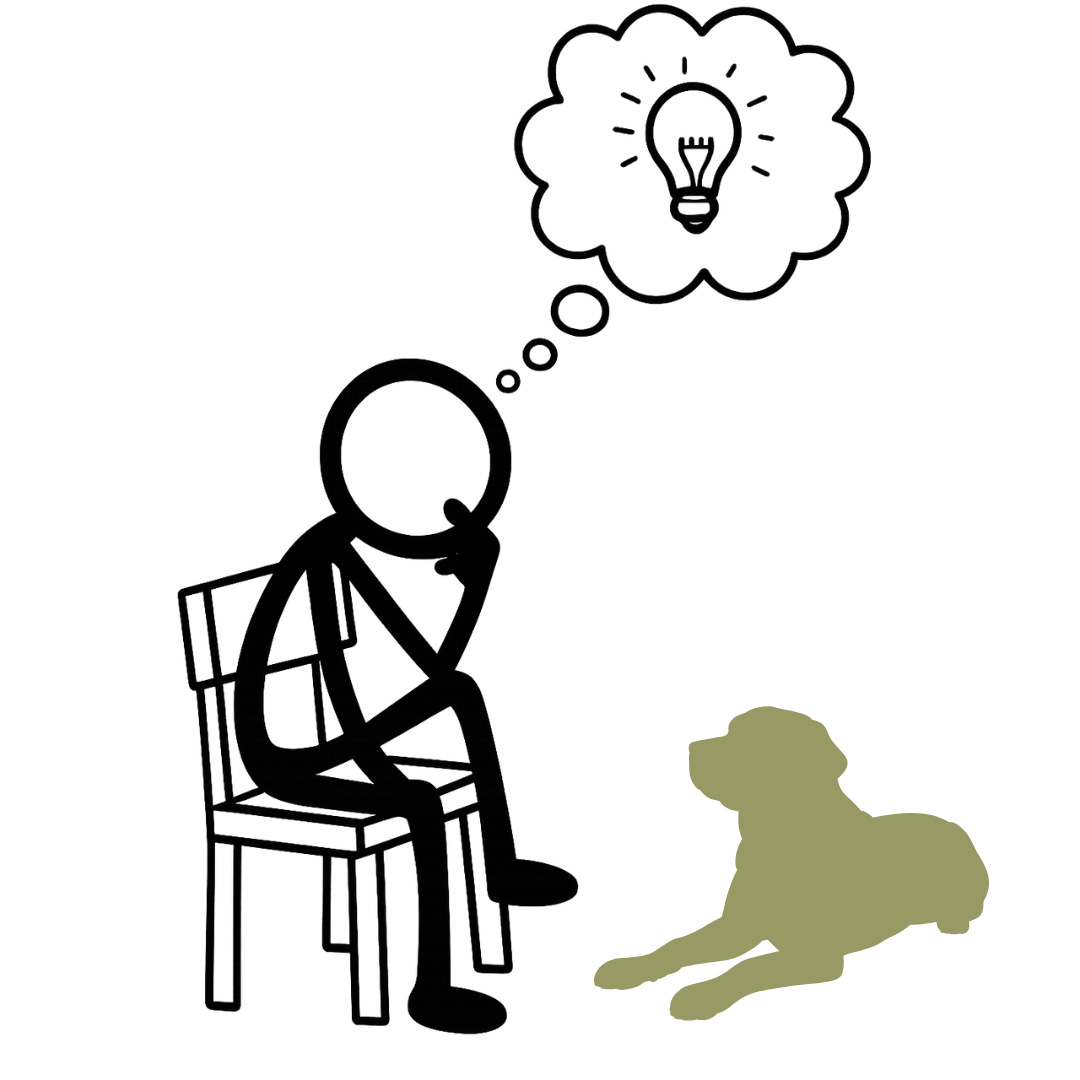
It keeps returning, softly, persistently: Odd...
If everything is right, why does it feel like something is off?
What makes this moment unsettling is not that something is wrong. It’s the growing awareness that time is no longer abstract.
What once felt open-ended now feels finite. The question quietly shifts from “What could I still do?” to “What will I never get back?”
What makes this phase especially difficult is that we don’t have a clear label for it.
No diagnosis fits neatly. No dramatic event we can point to. No one to blame. No visible failure that explains what’s happening inside.
So we start looking for explanations anyway.
We wonder if we are ungrateful. If we are weak. If this is simply what getting older feels like.
Some of us tell ourselves there is still plenty of time.
But underneath, a different thought begins to surface: What if I keep postponing this, and one day it’s indeed too late to change the parts that matter most?
Because time doesn’t just pass. It quietly locks in patterns.
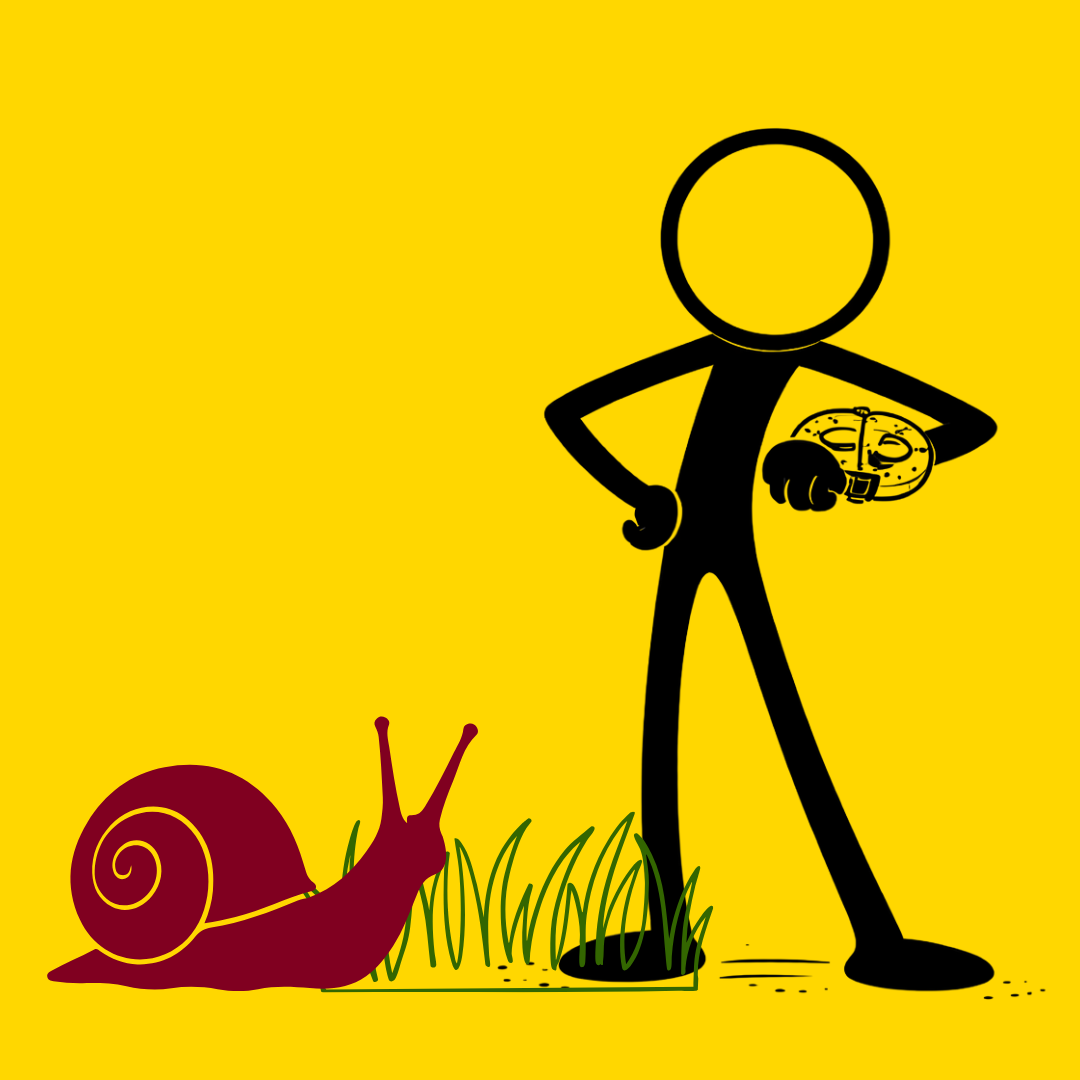
And because there is no clear explanation, many people assume the problem must be them. But let me tell you: That assumption is almost always wrong.
What’s missing is not motivation or discipline.
What’s missing is orientation.
At some point, the inner map we’ve been using no longer matches the territory we’re standing in. And without orientation, even a good place can feel strangely uncomfortable.
For many of us, the first real shift does not begin with insight or purpose. But simpler: It begins with the body.
Not in a dramatic way. Not through transformation stories or sudden discipline. Often, it starts quietly. Sleeping a little better. Feeling a bit lighter. Noticing that energy returns before motivation does.
For me, the change began with weight loss.
Losing the first five kilograms (11 lbs) didn’t solve my life. But it changed how I felt in my body. And that changed how I moved through my days. Clarity followed energy, not the other way around.
What many people underestimate is that the body becomes less patient over time.In our forties, it still compensates. Approaching fifty, it starts keeping score
.Signals get louder. Recovery takes longer. And what we ignore doesn’t disappear, it accumulates.
There are no overweight tigers in Nature. No exhausted animals forcing themselves through life on willpower alone.
When the body is supported, the system stabilizes. And when the system stabilizes, perspective returns. This was never about aesthetics or control. It was about removing constant background noise.
When we don’t understand what’s happening, we reach for explanations that promise certainty.
They often sound responsible. Scientific. Practical.
Even calming.
We’re told by professionals to manage symptoms. To outsource responsibility to medication. To track, count, and optimize every variable we can measure. After all there’s an app for every pain, right?
Over time, this creates a quiet kind of exhaustion.
Not because people are doing too little, but because they are doing the wrong kind of work.
Counting calories turns eating into an exhausting war negotiation. Constant snacking keeps the system in fluctuation. With waves higher than in Hawai…
Comparison gradually erodes any sense of sufficiency.
There is always someone who seems healthier. More energetic. More fulfilled. And yes, even better looking, right?
Comparison doesn’t just steal joy. It amplifies regret.
Suddenly, it’s not only about what others have. It’s about everything we might have lived, tried, or chosen differently.
And once this question appears, it doesn’t get quieter with time.
What have I missed? What will I never experience if I keep going like this?
Regret grows in silence. Every fuc**ng time.
And then another thought emerges, rarely spoken out loud:
What am I supposed to enjoy after 45? After 50? Or later?
This question is not about age. It’s about permission. Permission to change direction. Permission to simplify. Permission to stop measuring life through someone else’s lens.

The problem is not a lack of ambition.
It’s that many explanations ignore context, biology, and life phase.
Without context, even good advice becomes oppressive.
Over the years, I’ve had the opportunity to look into many lives from the outside.
Not as a judge. Not as a fixer. And not as someone searching for faults.
Simply as an observer.
As someone who has lived through similar phases and now recognizes patterns when they appear in others.
What stands out is not failure, but repetition.
People with stable lives quietly losing their inner sense of direction. Capable, responsible adults doubting themselves. Bodies sending signals long before the mind is willing to listen.
When you step back far enough, certain rhythms become visible.
Most people don’t need another plan. They don’t need motivation. And they certainly don’t need to try harder.
They need perspective.
An honest overview of where they stand right now, without judgment. Without pressure to change. Without being told what their life should look like next.
I don’t start with goals. I start with signals.
Energy. Recovery. Decision patterns. And the life phase someone is actually in, not the one they think they’re still in.
From that vantage point, the next step often becomes obvious.
Not because someone prescribed it, but because it finally fits.
What I’ve also seen is this:
People don’t regret acting too early. They regret waiting too long.
Especially when time, health, and energy stop negotiating. There is a window in life where course correction is still gentle. Miss it, and change becomes heavier, slower, more costly. Not impossible. Just harder than it needed to be.
Before we try to improve anything, it helps to understand where we actually are.
Not where we think we should be. Not where others seem to be. But where our life, our body, and our energy truly stand right now.

Orientation comes before change.
Without it, even well-intended efforts scatter. With it, small adjustments begin to make sense.
This is why I created the Regenerative Orientation Audit.
Not as a solution. And not as a promise of transformation. But as a structured way to step back and see the whole picture. It’s a moment of honest inventory. A pause before the next decade quietly sets its tone.
The audit helps reveal patterns that are easy to miss from the inside. It shows where energy is being drained, and where regeneration is still possible. Doable.
Nothing needs to be fixed immediately. Nothing needs to be decided on the spot.
Sometimes, clarity begins with nothing more than an honest overview.
If you feel that this might be a helpful next step, you can learn more about the Regenerative Orientation Audit here.
Thanks for reading, and see you soon.
To your Freedom and Health,
Daniel